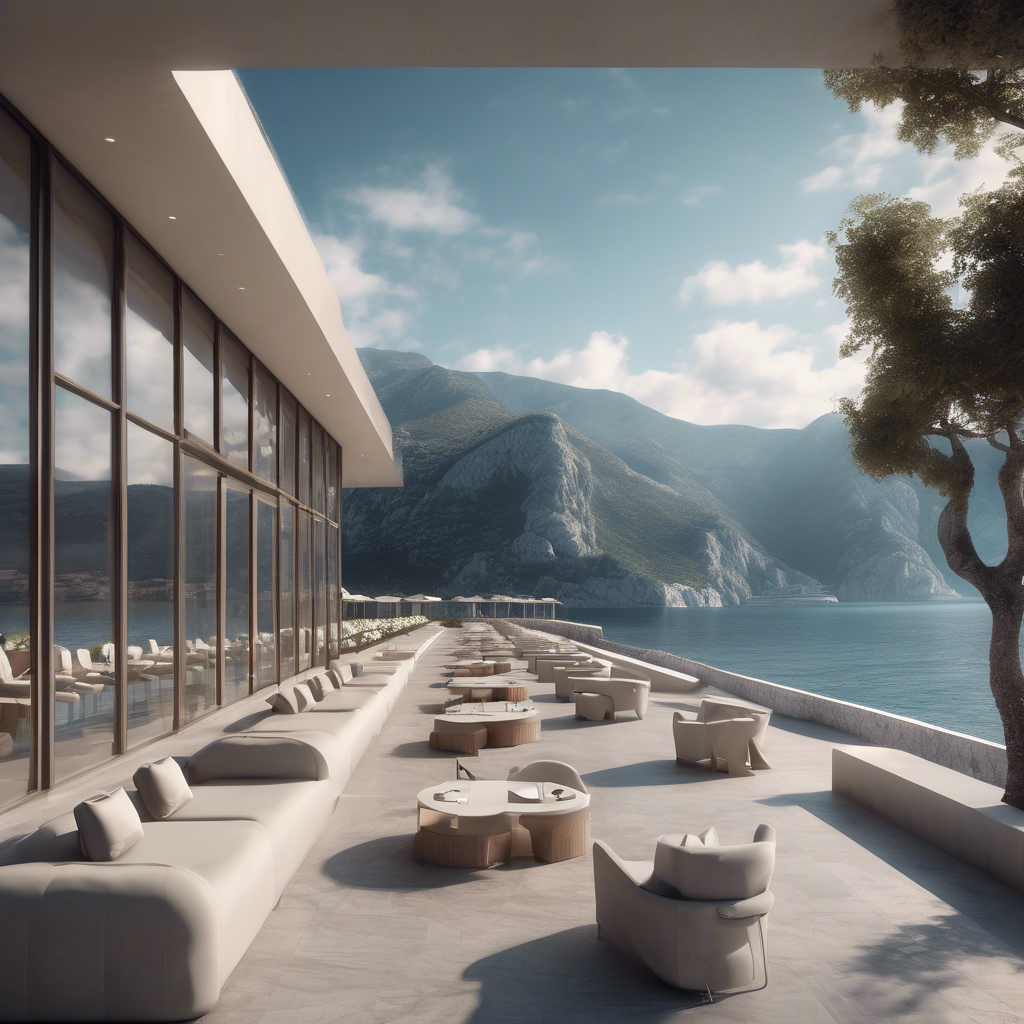
The hotel industry in Montenegro is currently confronting a turbulent period marked by significant economic uncertainty. This uncertainty has introduced various challenges that are exerting substantial pressure on hotel businesses throughout the country. Two of the most pressing concerns are fluctuating exchange rates and rising inflation, both of which have made a tangible impact on the profitability and operational stability of many hotels. Given Montenegro’s standing as a coveted tourist destination, especially among international visitors, these economic factors pose complex hurdles. The volatility in the macroeconomic environment has triggered increased operational costs, thereby complicating the strategic planning and financial sustainability that the industry requires to thrive in the long term.
One of the unique aspects of Montenegro’s hotel sector is how closely it is tied to international tourism, making exchange rate fluctuations particularly impactful. Since many clients pay in foreign currency, unstable exchange rates can greatly influence tourists’ spending capacity and, by extension, the revenue hotels can generate. This exchange rate instability becomes a double-edged sword: on one hand, it affects what money tourists actually have to spend once in Montenegro, and on the other, it disrupts the pricing strategies of hotels themselves. In addition, inflation has significantly raised the costs of essential supplies, utilities, wages, and other operational expenses. For instance, the cost of food and energy—two crucial components for running comfortable and affordable lodging and hospitality—has seen noticeable hikes. This combination of factors has made it imperative for hotels to rethink and restructure their operations to remain viable.
In response to these economic pressures, many hotel operators across Montenegro have embarked on diversifying their revenue streams to lessen dependence on traditional accommodation fees. This trend is visible in the growing popularity of wellness centers, which offer spa treatments, fitness classes, and holistic experiences that appeal to health-conscious travelers. Similarly, the development of conference facilities has enabled hotels to attract business tourists and event organizers, opening up new avenues of income beyond the vacationing guest. Specialized dining experiences, featuring local culinary delights and gourmet menus, have also become key differentiators. These innovative services serve not only to enhance guest satisfaction but also to increase the financial resilience of hotels by creating multiple sources of revenue. Such diversification is a clever strategy, especially considering that a strong domestic tourism market can help cushion the impact of fluctuating international visitor numbers caused by economic volatility.
Aside from broadening their service offerings, hotels in Montenegro are investing in operational efficiencies to control costs without compromising quality. Adoption of new technologies—such as property management systems, energy-saving solutions, and digital check-in/check-out procedures—has enabled many operators to optimize staff workloads and reduce energy consumption. Streamlining internal processes and embracing sustainable practices also play a significant role in cost reduction. For example, some hotels have introduced smart climate control systems and water-saving techniques that cut utility bills considerably. These steps have dual benefits: they help hotels lower their environmental footprint while enhancing profitability during a time when every cost-saving measure counts. By improving operational efficiency, hotels can maintain competitive pricing and improve their margins, even as inflation and other economic headwinds persist.
Recognizing the crucial role the hotel industry plays in Montenegro’s economy, the government has begun contemplating targeted support measures aimed at alleviating financial pressures on the sector. Proposed initiatives include financial assistance programs designed to help struggling hotels cover operational costs while they adapt to changing market conditions. Incentives encouraging investment and modernization of hotel infrastructure, along with selective tax relief, are part of discussions to stimulate growth and improve competitiveness. Additionally, marketing campaigns and policies to boost both domestic and international tourism are considered vital components of this support framework. Tourism not only contributes substantially to national GDP but also provides extensive employment opportunities, making these government interventions strategically important. The alignment of business resilience efforts with public policy aims to ensure Montenegro sustains its reputation as a premier tourist destination in the region.
Overall, the Montenegrin hotel industry’s response to current economic challenges is marked by a blend of strategic innovation and adaptive resilience. While exchange rate fluctuations and rising inflation pose undeniable obstacles, the proactive diversification of services, pursuit of operational efficiencies, and forthcoming government support collectively provide a pathway toward recovery and sustainable growth. This adaptability is essential in a sector so closely interwoven with the broader economic health of the country. By continuously monitoring economic trends and remaining flexible in business practices, Montenegro’s hotel industry is poised not only to survive but to thrive and further cement its place as a cornerstone of the national economy and cultural identity. In the years ahead, such enduring strength will be critical to maintaining Montenegro’s allure as a world-class tourism hotspot, ensuring that visitors continue to enjoy its breathtaking landscapes, rich history, and warm hospitality.
#MontenegroHotels #TourismEconomy #HotelIndustryChallenges #EconomicResilience #TravelMontenegro #HospitalityInnovation #SustainableTourism
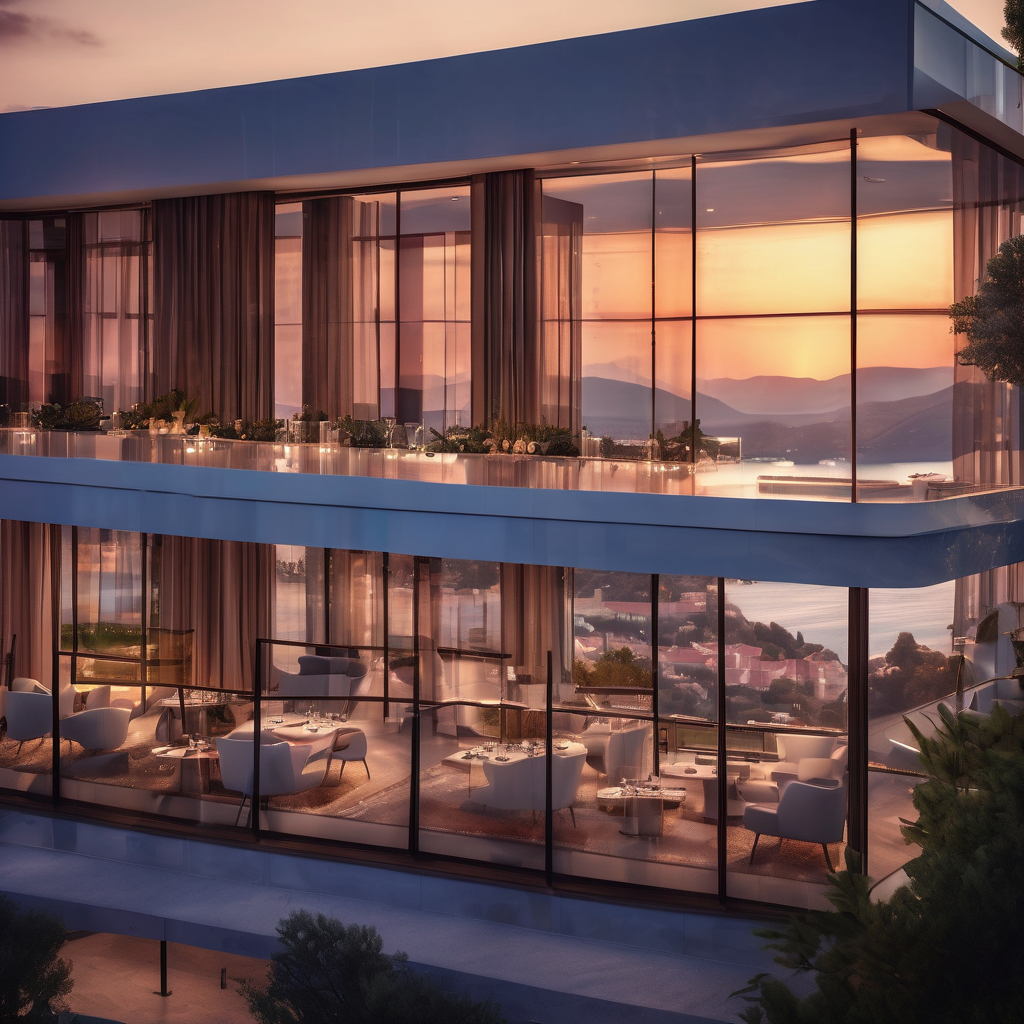
Nobu Hotel, Restaurant i Residences Montenegro predstavlja spoj luksuza i ekskluzivnosti, nastao u saradnji Nobu Hospitality i Sea Breeze Resorta. Projekat obuhvata hotel sa 80 soba i 100 privatnih rezidencija, uključujući pet luksuznih vila, smeštenih oko prestižnog Nobu restorana.
Gosti i stanari mogu uživati u impresivnom pogledu na more, privatnom pristupu obali i blizini najprestižnijih destinacija regiona. Nobu Montenegro pruža jedinstvenu kombinaciju mira i sofisticiranosti, nudeći vrhunski stil života.
Rezervacije su dostupne putem zvaničnog sajta hotela, gde je moguće osigurati mesto u ovom ekskluzivnom prostoru.
Book a Room
https://www.booking.com/hotel/me/bokeljski-cvijet-apartmani.ru.html
Leave a Reply